
Tips on Potty Training for children with autism
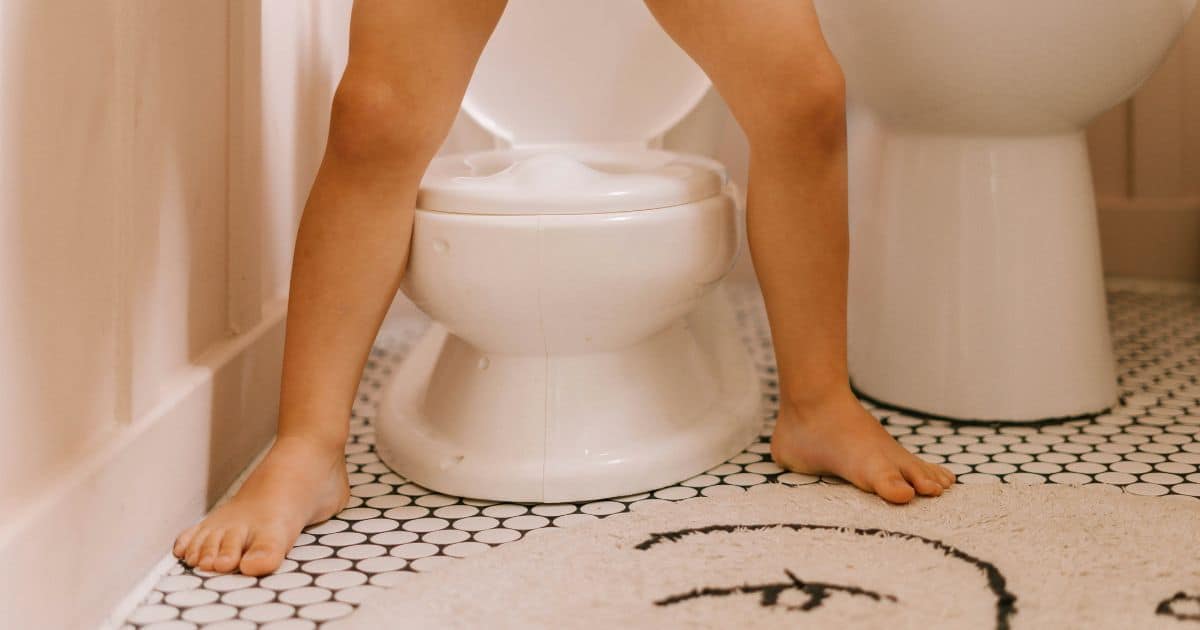
For many families, toilet training is one of the most challenging milestones of early autism parenting. It often takes longer, requires a different approach, and can feel isolating when the methods that work for other children simply don’t apply. If you are in the thick of it, you are not alone — and there are books written specifically for this.
The most important thing to know is that there is no universal timeline. Autistic children may need more time, more repetition, more sensory accommodation, and a completely different set of strategies than neurotypical children.
At what age should I start potty training my autistic child?
The honest answer is that age matters far less than readiness. Many autistic children are not developmentally ready for toilet training at the same time as their neurotypical peers, and that is completely normal. Rather than watching the calendar, watch your child. Signs of readiness might include showing awareness that they have a wet or dirty nappy, being able to follow simple instructions, showing interest in the bathroom or in what others do there, or being able to stay dry for a period of time. If you are unsure, your pediatrician or occupational therapist can help you assess where your child is and whether the timing is right.
Sensory issues and potty training: Why is it so hard?!
If your child struggles with sensory processing differences or sensory issues, these can be triggered by a toilet and the bathroom environment. The toilet itself can be overwhelming — the cold seat, the sound of flushing, the feeling of sitting without a nappy, the echo in a tiled bathroom.
- Start by addressing each element separately before combining them.
- Let your child sit on the toilet fully clothed just to get used to the sensation.
- Use a smaller insert seat if the full seat feels unstable or frightening.
- Try flushing after your child has left the bathroom if the sound is distressing.
- Consider white noise or a favorite song to make the environment feel safer.
Going slowly is not going backward — it is building the foundation for success.
How to use visual tools and stories to help your child
For many autistic children, they are not just helpful — they are essential. Visual schedules that show each step of the toileting process in order can reduce anxiety by making the expectation clear and predictable.
- Social stories that walk through what happens in the bathroom, told from your child’s perspective, can help them understand and anticipate the experience before it happens.
- Many children respond better to seeing what is expected of them than to verbal instruction alone. You can find visual toileting supports and pre-made social stories online, or create simple ones yourself using photos of your child’s actual bathroom and toilet.
A gentle reminder: if toilet training is proving genuinely distressing for your child, it is always worth speaking with your pediatrician or an occupational therapist before pushing forward. Sometimes a short pause and a new strategy make all the difference.
Best books on potty training
The books below are written by practitioners with real experience in this area, and they approach the process with the patience and specificity it deserves.
Ready, Set, Potty! Toilet Training for Children with Autism and Other Developmental Disorders by Brenda Batts is a practical, step-by-step guide that accounts for the sensory and communication differences common in autistic children. It is straightforward and designed to be used, not just read.
The Potty Journey: Guide to Toilet Training Children with Special Needs, Including Autism and Related Disorders by Judith Coucouvanis takes a similarly structured approach, with particular attention to children who have communication challenges. Coucouvanis provides clear guidance on adapting the process to your individual child, rather than following a one-size-fits-all program.
Toilet Training and the Autism Spectrum by Dr Eve Fleming and Lorraine MacAlister approaches the subject from a clinical but compassionate angle, covering not just the how but the why — helping parents understand the sensory and neurological factors that can make toileting particularly difficult for autistic children. Understanding those factors often makes the practical steps easier to implement.
If you are looking for practical tools alongside the reading — visual schedules, social stories for toileting, sensory-friendly training aids, Amazon’s autism potty training section is a useful starting point for finding products that complement the approaches in these books.
Frequently Asked Questions
First, take a breath and consider pausing. A break of a few weeks or months is not failure — it is a reset, and many families find that returning to training after a pause yields much faster progress than pushing through resistance.
When you are ready to try again, it is worth seeking professional support. An occupational therapist with experience in autism can assess specific sensory barriers and suggest targeted strategies. Applied behavior analysis practitioners can also help design a structured toilet training program tailored to your child. The books above by Brenda Batts and Judith Coucouvanis are good places to start for structured approaches you can try at home.
Very common, and for understandable reasons. Autistic children often develop skills more slowly than neurotypical children, meaning that a skill learned in one environment does not automatically transfer to another. The sounds, smells, lighting, and layout of a different bathroom can feel entirely foreign.
To help with this, begin introducing other toilets gradually and with low pressure — a visit to a bathroom at a familiar place like a grandparent’s house, with no expectation attached, just to look and get used to it. Bring familiar items from home if possible, such as a portable seat insert or a small comfort object. Praise any engagement with an unfamiliar bathroom, even if no toileting occurs.
Over time and with repetition, most children do generalize the skill — it simply takes longer and requires more deliberate practice.
A final note:
If potty training feels especially challenging, you’re not alone — and the struggle may be pointing to something worth exploring. At Little Roots Pediatrics, we offer a comprehensive ADOS-2 autism evaluation that goes far beyond a simple checklist — using a holistic medical, social, and neurodevelopmental approach to understand your child’s full story and deliver personalized, actionable guidance that meets your child exactly where they are. Most families are seen within two weeks, no long waitlist required. Book your initial consult today.






Dr. Eileen Shi
Board-Certified Las Vegas Pediatrician
Your pediatrician should always be your child’s advocate and believe your child always comes first. Little Roots Pediatrics families on their wellness journey with Concierge Pediatric care. We integrate evidence-based care with holistic health principles to provide the most up-to-date, direct-access pediatric care.